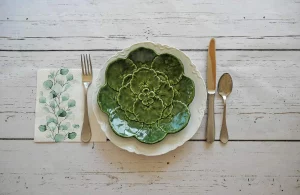
Sustainable picnics present a unique opportunity to enjoy nature while minimizing environmental impact. Disposable napkins contribute greatly to waste, but there are viable alternatives. Reusable cloth napkins not only elevate the picnic experience but also reduce landfill contributions. For those who prefer single-use options, biodegradable napkins offer a responsible choice. Exploring these eco-friendly solutions can transform outdoor adventures. What other innovative strategies can enhance the sustainability of your next picnic?
Key Takeaways
- Choose reusable cloth napkins for elegance and durability, reducing waste while adding a personal touch to your picnic.
- Consider biodegradable napkin options made from recycled paper or bamboo, which decompose naturally and support sustainability.
- Explore innovative eco-friendly alternatives like hemp or linen napkins that are both biodegradable and water-efficient.
- Incorporate compostable plant-based napkins for a practical single-use solution that minimizes environmental impact.
- Encourage sustainable picnic practices by using reusable containers, carpooling, and leaving picnic areas cleaner than found.
The Environmental Impact of Disposable Napkins
How often do people consider the environmental consequences of everyday items like disposable napkins? These seemingly innocuous products contribute greatly to landfill waste, taking years to decompose. The production process involves deforestation and water consumption, further straining natural resources. As picnic enthusiasts seek a sense of belonging within eco-conscious communities, they are encouraged to explore eco-friendly alternatives to disposable napkins. Options such as bamboo or recycled paper napkins are designed to minimize environmental harm while still providing the convenience desired during outdoor gatherings. By choosing these alternatives, individuals can partake in sustainable picnics that not only elevate their experience but also demonstrate a collective commitment to protecting the planet. Embracing eco-friendly choices fosters a shared responsibility towards a greener future.
Reusable Cloth Napkins: A Sustainable Choice
A growing number of picnic enthusiasts are turning to reusable cloth napkins as a sustainable choice that balances practicality with environmental responsibility. These durable alternatives not only reduce waste but also add a touch of elegance to any outdoor gathering. Available in various fabrics, colors, and patterns, cloth napkins can be personalized to match individual styles, fostering a sense of community among like-minded eco-conscious individuals. By choosing reusable options, picnickers contribute to a collective effort in reducing disposable waste and promoting a greener planet. Additionally, cloth napkins are easy to clean, making them a practical choice for regular use. Embracing reusable cloth napkins aligns perfectly with the growing movement towards eco-friendly alternatives to disposable napkins, enhancing the joy of outdoor adventures.

Biodegradable Napkin Options for Outdoor Use
While many picnic-goers are becoming increasingly aware of their environmental impact, opting for biodegradable napkin options can greatly enhance their outdoor experience. These eco-friendly alternatives to disposable napkins are made from materials such as recycled paper, bamboo, or plant fibers, ensuring they decompose naturally without harming the environment. By choosing biodegradable options, individuals contribute to reducing waste and promoting sustainability, fostering a sense of community among like-minded outdoor enthusiasts. Additionally, these napkins often come in vibrant designs, adding a touch of joy to any picnic setting. Embracing biodegradable napkins not only reflects a commitment to eco-conscious living but also encourages others to join in the movement, creating a collective effort towards a greener future for outdoor adventures.
Innovative Eco-Friendly Napkin Alternatives
What if picnics could be both enjoyable and environmentally responsible? Innovative eco-friendly napkin alternatives are paving the way for a more sustainable outdoor dining experience. Reusable cloth napkins made from organic cotton or bamboo not only add a touch of elegance but are also durable and washable. For a lighter option, consider hemp or linen napkins, which are biodegradable and require less water to produce. Additionally, compostable plant-based napkins can serve as a practical single-use option without harming the planet. These alternatives foster a deeper connection among picnic-goers by encouraging thoughtful choices. By opting for eco-friendly alternatives to disposable napkins, individuals can contribute to a collective effort for sustainability while enhancing their outdoor gatherings.
Tips for Incorporating Sustainable Practices Into Your Picnic
Incorporating sustainable practices into a picnic enhances not only the experience but also the environment. To begin, guests can bring reusable containers and utensils, which greatly reduce waste compared to disposable options. Opt for eco-friendly alternatives to disposable napkins, such as cloth napkins or biodegradable options. Additionally, selecting locally sourced, organic foods minimizes carbon footprints while supporting community farmers. Encourage carpooling to the picnic site, fostering a sense of camaraderie and reducing transportation emissions. Finally, always leave the picnic area cleaner than it was found, emphasizing a collective responsibility towards nature. By implementing these simple yet effective practices, picnickers can cultivate a shared sense of belonging and stewardship, ensuring that outdoor adventures remain enjoyable for future generations.
Frequently Asked Questions
How Can I Ensure My Cloth Napkins Are Truly Eco-Friendly?
To guarantee cloth napkins are truly eco-friendly, one should select organic materials, prioritize sustainable production methods, and consider biodegradable dyes. Additionally, frequent washing and proper care can extend their lifespan and reduce environmental impact.
Are There Any Compostable Napkin Brands You Recommend?
Several compostable napkin brands, such as Bamboozle and Eco-Products, offer environmentally friendly options. These brands prioritize sustainability, making them ideal for those seeking eco-friendly alternatives to disposable napkins while enjoying outdoor adventures.
Can I Make My Own Biodegradable Napkins at Home?
Yes, individuals can create their own biodegradable napkins at home using materials like recycled paper or natural fabrics. This approach promotes sustainability and fosters a sense of belonging to eco-conscious communities committed to reducing waste.
What Are the Best Ways to Clean Reusable Napkins Sustainably?
The best ways to clean reusable napkins sustainably include using eco-friendly detergents, washing in cold water, air drying, and opting for biodegradable stain removers. These practices enhance longevity and minimize environmental impact, fostering a greener lifestyle.
How Do Weather Conditions Affect My Picnic Napkin Choices?
Weather conditions greatly influence picnic napkin choices. Rain or wind may necessitate sturdier, reusable options, while sunny days could allow for lighter materials. Adapting napkin selections guarantees a comfortable, enjoyable outdoor experience, fostering a sense of community.
Conclusion
Incorporating eco-friendly napkin alternatives into picnic outings not only enhances the outdoor experience but also reflects a commitment to environmental stewardship. By choosing reusable cloth napkins or biodegradable options, picnic-goers can markedly reduce their ecological footprint while enjoying nature. Embracing these sustainable practices fosters a sense of responsibility and encourages others to follow suit, ultimately contributing to a healthier planet. Let each picnic be an opportunity to celebrate nature, all while making mindful choices for a cleaner future.
You May Also Like to Read: